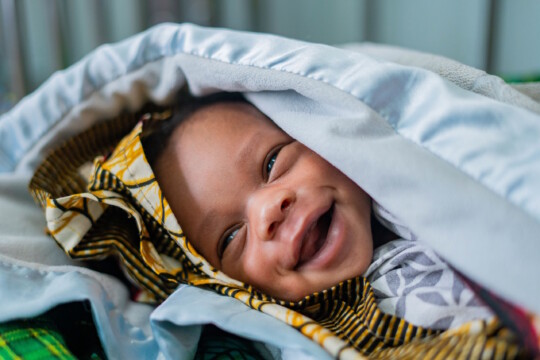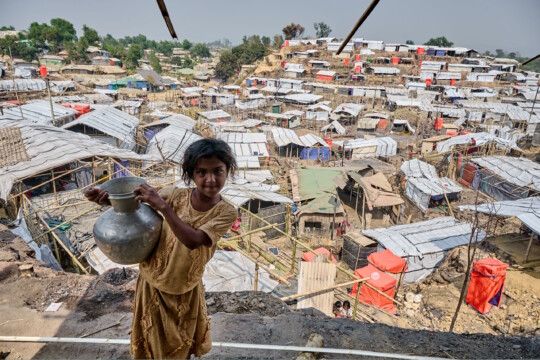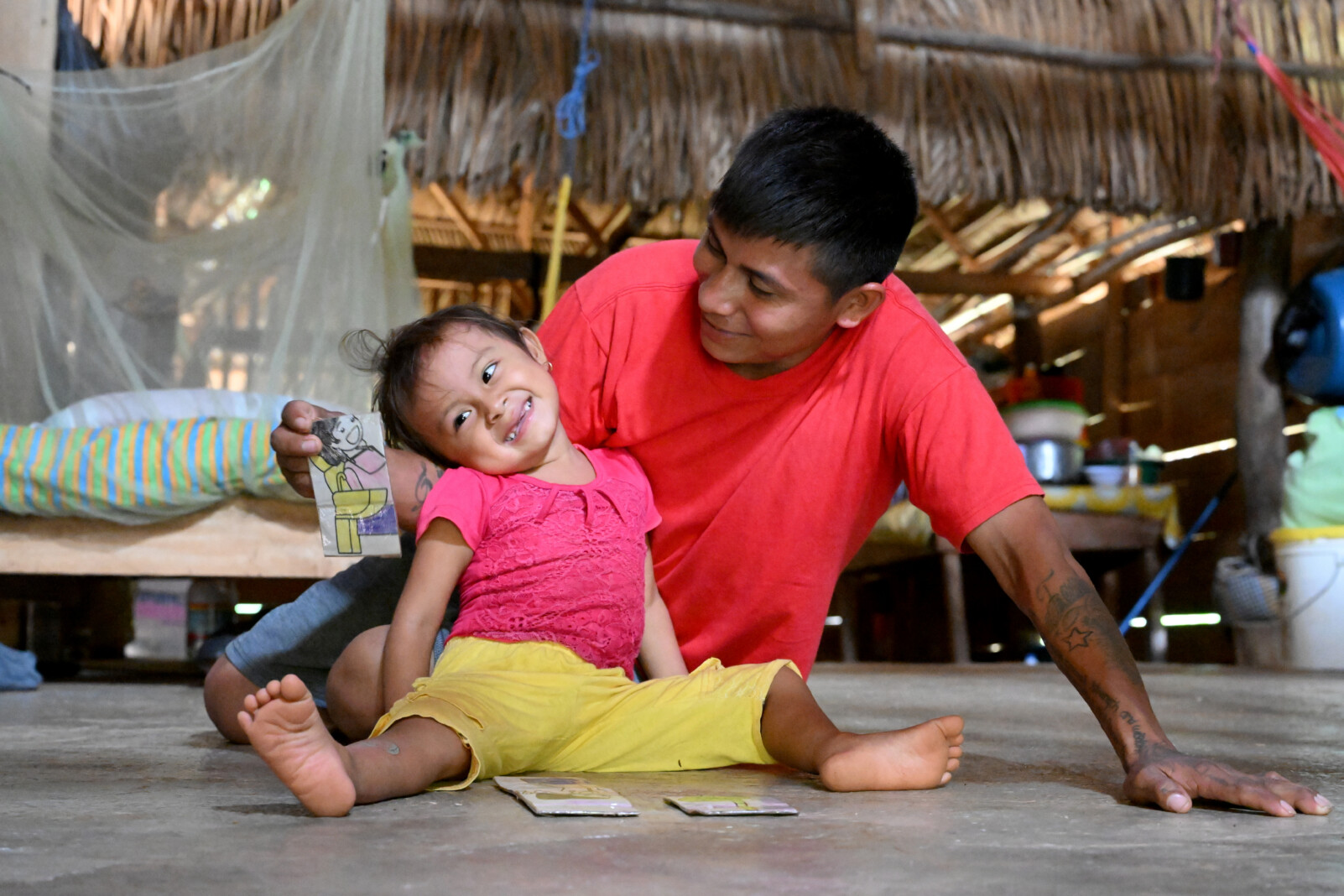
In homes around the world, play is one of the first ways young children learn, connect and make sense of the world around them. It supports early learning, strengthens relationships with parents and caregivers, and helps children build the social, emotional, language, physical and cognitive skills they need to thrive.
Yet new global data show that millions of young children are missing out on these everyday opportunities. More than 80 million children aged 2 to 4 are not playing with caregivers at home, while around 90 million do not have access to playthings. These gaps are not evenly distributed, with children’s experiences of play shaped by household wealth, caregiver education, location and family dynamics.
The Power of Play: A global data story brings together internationally comparable data from close to 100 countries. It offers a clearer picture of how young children experience play in the home environment, including who they play with, what materials they have access to, and which children are most likely to be left behind.
The evidence points to a global play gap that must be better understood, measured and addressed. Play is often seen as optional, but for young children, it is central to learning, development, care and connection.
Closing the play gap means supporting families and caregivers with the time, information, encouragement, safe spaces and simple materials they need to make play part of daily life.
Millions of children are missing out on play
Across countries, millions of children aged 2-4 are missing out on playful interactions with parents and caregivers at home. Many young children under age 5 are also growing up without access to playthings at home. Even simple household objects, books, drawing materials, natural items and everyday materials can support imagination, creativity and early learning when children are encouraged to use them in playful ways.
The play gap is not equal
Children from poorer households are more likely to miss out on playful interactions and play materials. Children whose mothers have lower levels of education may also face greater barriers to play, often because families have less access to information, resources and support for early childhood development.
These gaps show that play is also shaped by wider inequalities, including poverty, access to services, caregiver support, social norms and the availability of safe spaces for children.
Measuring play matters
For many years, countries have measured what children need to survive, including health, nutrition and access to basic services. But children need more than survival. They need opportunities to thrive.
Today, 95 countries – about half the global total – collect internationally comparable data on whether children have the opportunity to play with their caregivers at home. Only 10 countries did so just two decades ago, when such standardized data were first collected globally.
This growth in play-related data over the past two decades is an important step forward. It gives governments, communities and partners stronger evidence to understand where gaps exist, which children are being left behind and where support is most urgently needed to support families, strengthen early childhood programmes and create environments where children can learn, connect and thrive.