Climate and environment
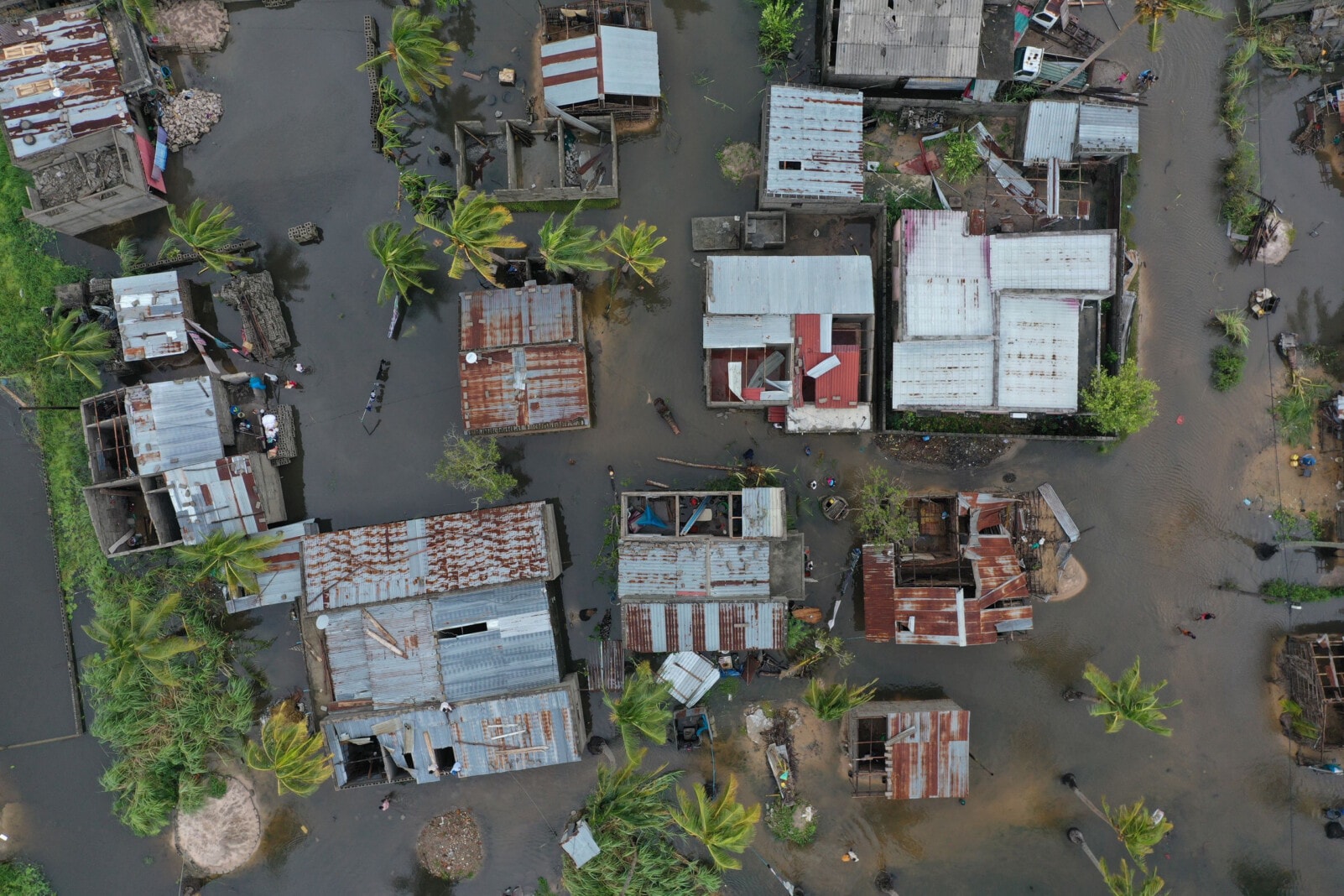
Climate and environmental hazards pose significant risks to children’s well-being
Climate and environmental hazards disproportionately impact children, making the climate crisis a child rights crisis. Children are uniquely vulnerable to climate-related shocks and stresses, including extreme heat, droughts and floods. They also bear the greatest burden of its consequences – now and for generations to come.
Introducing the Global Child Hazard Database
To better understand and address these risks, UNICEF has developed the Global Child Hazard Database – a new initiative to support the standardization of data on children’s exposure to multiple hazards such as floods, droughts, heatwaves/extreme heat, and fires. This comprehensive resource brings together climate and environment hazard information from multiple sources, making it easier to identify where children face the greatest threats. The database includes estimates of exposure to both single and multiple hazards for children (total, boys and girls) and the overall population (total, male and female), at national and subnational levels, including regions or states and districts.
A critical resource for protecting children from climate and environmental hazards
This database consolidates diverse hazard datasets into one standardized format, enabling stakeholders to understand risks, plan responses, and implement targeted interventions for children worldwide.
Key Applications
Understanding risk
Analyzes children’s exposure to multiple hazards at varying intensities to identify hotspot areas and assess child-specific climate risks at national and sub-national levels.
Planning and advocacy
Informs emergency preparedness, disaster response planning, and evidence-based advocacy for climate financing. Provides concrete data to shape national and international child policies to support and protect children from hazards.
Taking action
Identifies high-risk areas and populations for precise program design and intervention targeting, including estimates for the UNICEF Strategic Plan and subnational equity analysis. Enables targeted disaster risk reduction strategies focused on prevention, mitigation, and adaptation.
Advancing knowledge
Serves as a standardized resource for further research and analysis of on the interactions between hazards, climate change, and child welfare.
Learn more about the Global Child Hazard Database
The Global Child Hazard Database will be made publicly available in the near future.