Adolescent HIV prevention
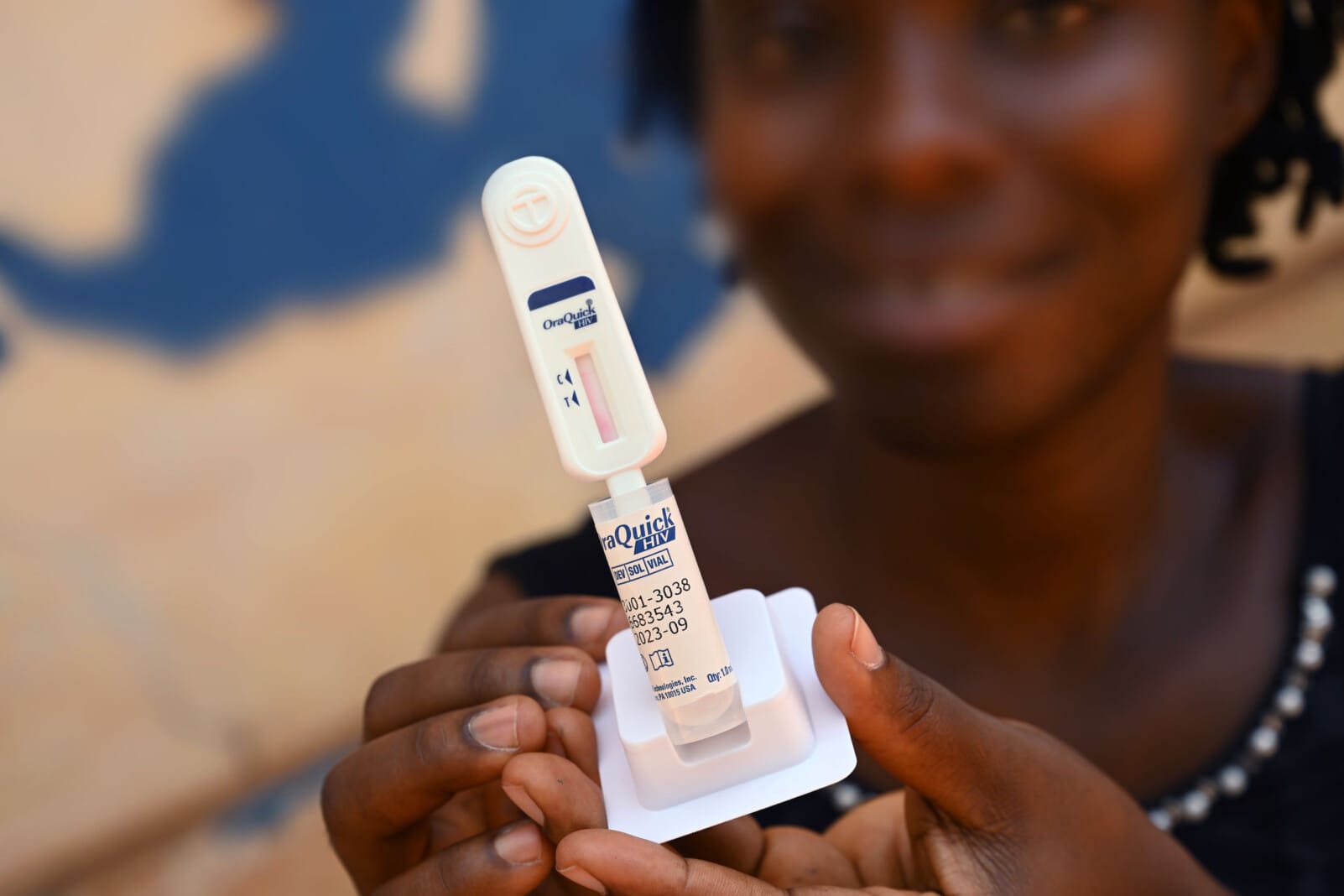
In order to ramp up our efforts in the fight against AIDS, there is a need for more concentrated focus on adolescents and young people
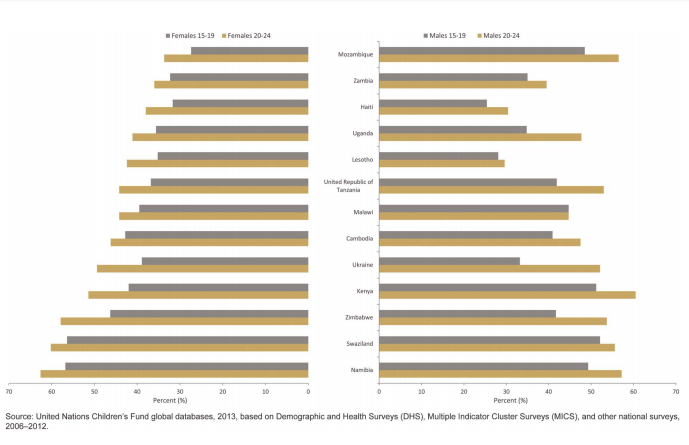
Adolescents and young people represent a growing share of people living with HIV worldwide. In 2024 alone, 350,000 [240,000-490,000] young people between the ages of 15 to 24 were newly infected with HIV, of whom 145,000 [42,000-250,000] were adolescents between the ages of 15 and 19. To compound this, most recent data indicate that only 29 per cent of adolescent girls and 19 per cent of adolescent boys aged 15-19 in Eastern and Southern Africa – the region most affected by HIV – have been tested for HIV in the past 12 months and received the result of the last test. The testing rates in West and Central Africa are even lower. If current trends continue, there will still be some 183,000 annual new HIV infections among adolescents in 2030.
HIV in adolescents
In 2025, about 1.01 million [680,000-1.73 million] older adolescents between the ages of 15 and 19 were living with HIV worldwide. Adolescents account for about 3 per cent of all people living with HIV and about 12 per cent of new adult HIV infections. About 820,000 [570,000-980,000] (82 per cent) live in sub-Saharan Africa. Outside of sub-Saharan Africa, the highest numbers of HIV-positive adolescents are in Asia and Latin America.
Globally, in 2025, adolescent girls accounted for more than two-thirds of all new HIV infections among adolescents. In sub-Saharan Africa that year, almost six times as many adolescent girls were newly infected with HIV than adolescent boys. In East Asia and the Pacific, Latin America and the Caribbean, South Asia, and Middle East and North Africa more boys are newly infected with HIV each year than girls in adolescence. This reflects differences in risk behaviour in these regions, which means that interventions must be tailored to the specific nature and dynamic of the epidemic.
In some sub-Saharan countries, adolescent girls are three to four times more likely to be infected with HIV than boys of the same age group. However, HIV does not only affect sub-Saharan Africa, and in 2025, 32 per cent of adolescents newly infected with HIV lived outside of the region.
Interventions for HIV prevention among adolescents
According to UNAIDS 2026 estimates, HIV incidence has fallen in many of the most severely affected countries because adolescents and young people are adopting safer sexual practices and more young people living with HIV are accessing treatment to lower their viral load. However, in regions with available data, recent testing coverage remains below 30 per cent for adolescents. This means many adolescents and young people living with HIV may not know their status. Furthermore, boys are consistently less likely to have been tested for HIV compared to girls.
In countries with generalized epidemics, schools can be a critical avenue for reaching adolescents with the information and skills they need to avoid HIV infection. Evidence shows that school-based sex education can be effective in changing the knowledge, attitudes and practices that lead to risky sexual behaviour.
Preventing HIV in countries with low prevalence or where the epidemic is concentrated in specific populations is especially challenging since the spread of the virus is fuelled by high-risk, often stigmatized behaviour. People who engage in such behaviour tend to be young and include sex workers, people who inject drugs and men who have sex with men.
For information on UNICEF’s programme and policy work, visit the Children & AIDS community of practice.
HIV/AIDS data
Build and download your own customisable dataset
Resources



Data sources + methodology
Global AIDS monitoring 2026
In order to monitor the HIV response and progress towards achieving global goals, countries submit national and subnational data on a host of indicators to the Global AIDS Monitoring (GAM) system. Annual submissions are reviewed and validated. Data consist of programmatic data for HIV prevention, testing and treatment. Other indicators require data from population-based surveys and surveys focused on key populations at risk of HIV infection.
For more information, click here.
UNAIDS Estimates and Spectrum’s AIDS Impact Model
Each year countries update their AIDS Impact Model in Avenir Health’s Spectrum software to develop the latest estimates for the HIV epidemic. Supported by UNAIDS, WHO and UNICEF these estimates are used to inform programme and policy decisions for HIV epidemic response.
Useful links:
Methods for HIV modelling are developed by the UNAIDS Reference Group on Estimates, Modelling and Projections.
All available data on HIV estimates are available at aidsinfo.unaids.org.
Nationally representative surveys
Multiple Indicator Cluster Surveys (MICS), Demographic and Health Surveys (DHS), AIDS Indicator Surveys (AIS), Population-based HIV Impact Assessments (PHIA) reproductive health surveys, sexual behaviour surveys and other nationally representative surveys are currently used to collect data on HIV and AIDS.