Children continue to be left behind in the HIV response

Every child has the right to a healthy, AIDS-free future. Ending AIDS as a public health threat by 2030 requires ensuring that children, adolescents and pregnant women are not left behind. Despite remarkable progress in the global HIV response, persistent inequalities in access to HIV prevention, testing and treatment continue to put children and adolescents at risk of preventable HIV infections and AIDS-related deaths.
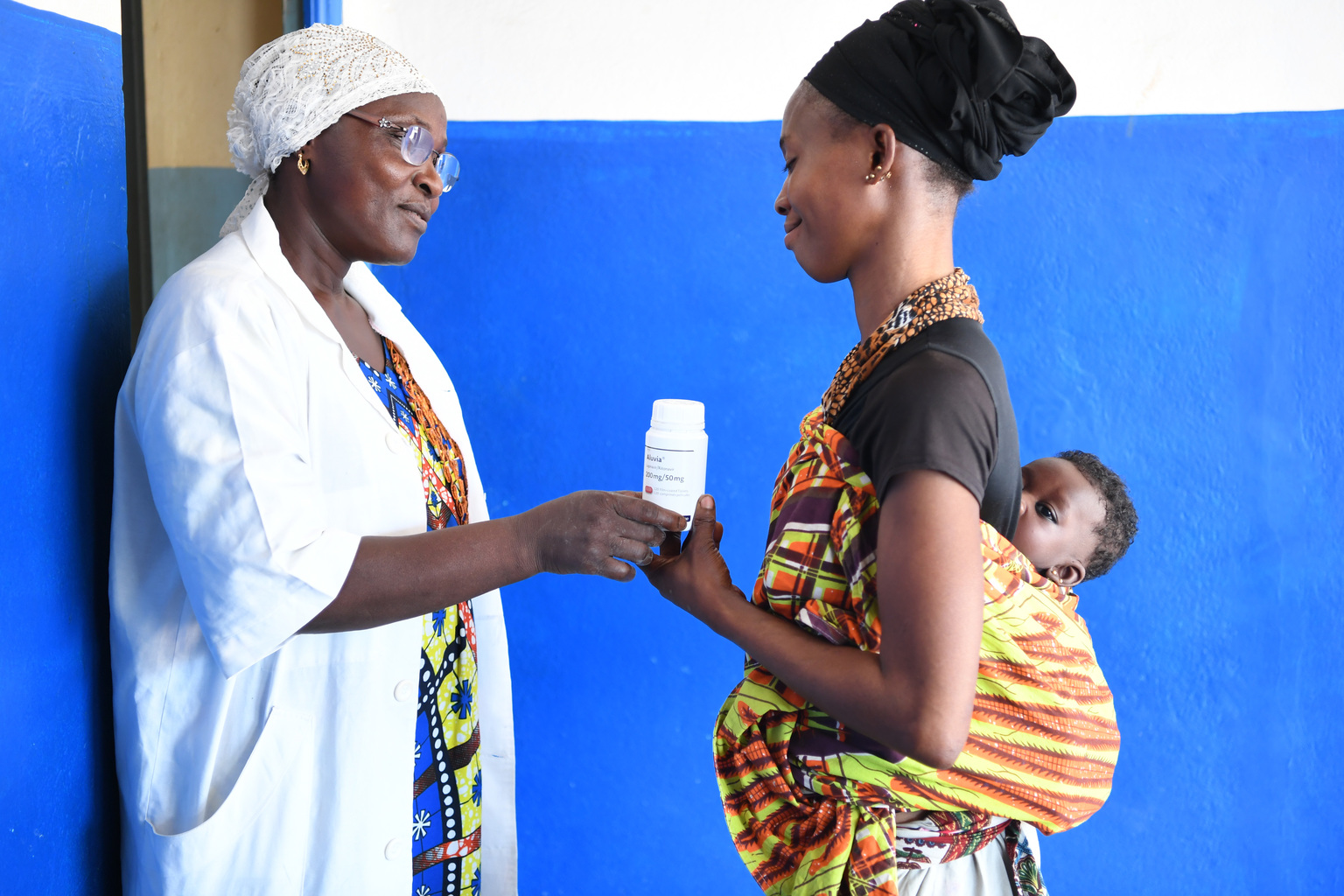
UNICEF works to accelerate progress towards ending AIDS among children and adolescents by supporting countries to eliminate vertical transmission of HIV, close gaps in HIV testing and treatment for children and adolescents, and prevent new HIV infections among adolescents and young people. This includes advancing the triple elimination of vertical transmission of HIV, syphilis and hepatitis B; ensuring that children living with HIV are diagnosed early and receive effective, life-saving treatment; and expanding access to combination HIV prevention for adolescents, particularly adolescent girls and young women.
Achieving these goals requires reaching the children and adolescents who are being missed and addressing the inequalities that shape their risk and access to services. UNICEF supports countries to strengthen data and health systems, identify gaps at national and subnational levels, and use evidence to target programmes and resources where they can have the greatest impact – helping to realize the promise of an AIDS-free generation.
Resources