Where are children learning? Subnational data on foundational reading and numeracy
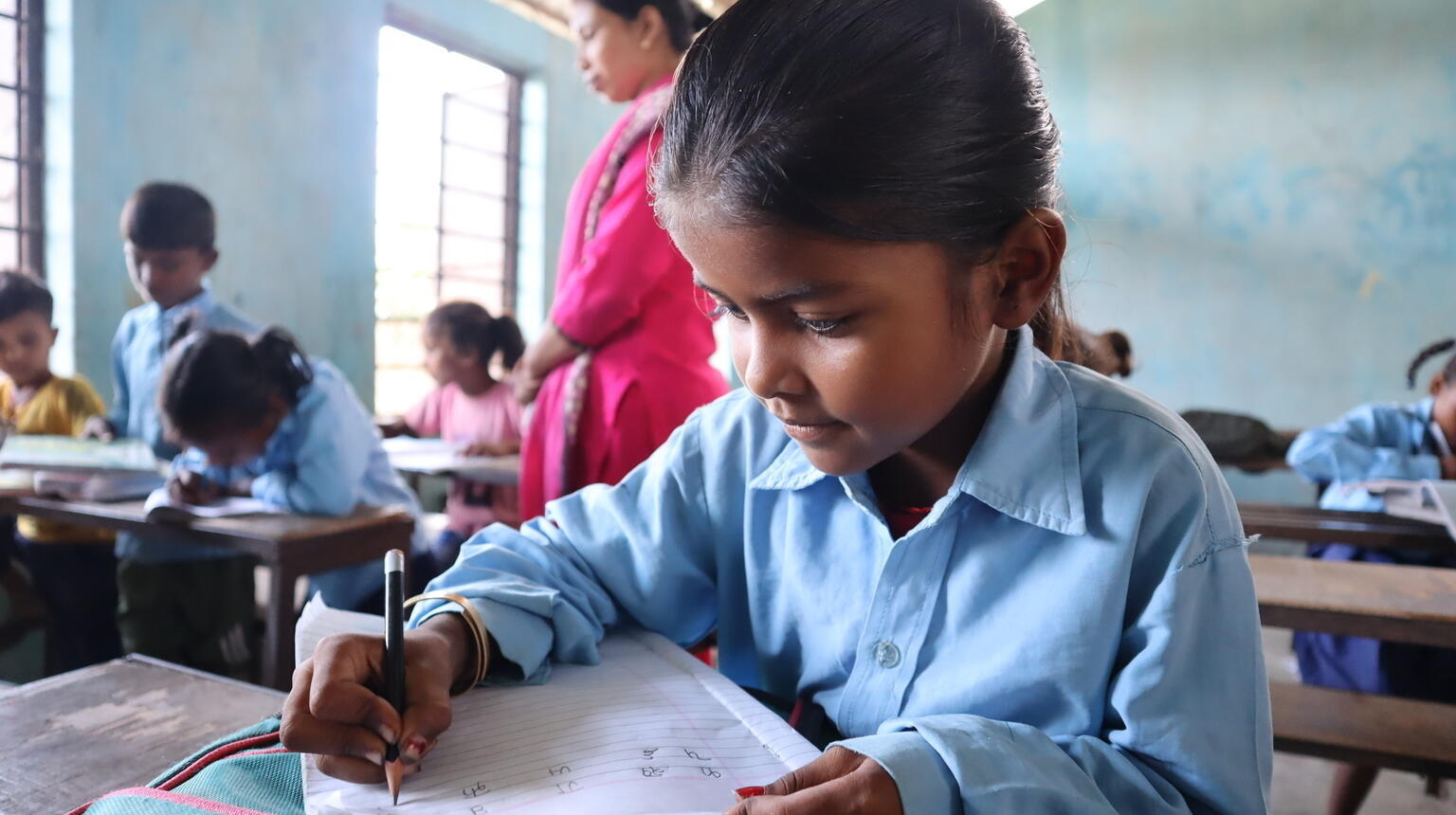
A national average can tell us how children are doing overall, but it can also hide large differences in learning within a country. Using data from the Foundational Learning Skills (FLS) module in UNICEF’s Multiple Indicator Cluster Surveys (MICS), the sub-national foundational reading and numeracy skills dashboard helps unpack the picture beyond the national estimates.
How MICS measures foundational learning
UNICEF’s Multiple Indicator Cluster Surveys (MICS) include the Foundational Learning Skills (FLS) module, which assesses foundational reading and numeracy skills that children are expected to acquire in the early years of primary education. It focuses on children aged 7 to 14 and measures skills children are expected to have acquired by grades 2-3.
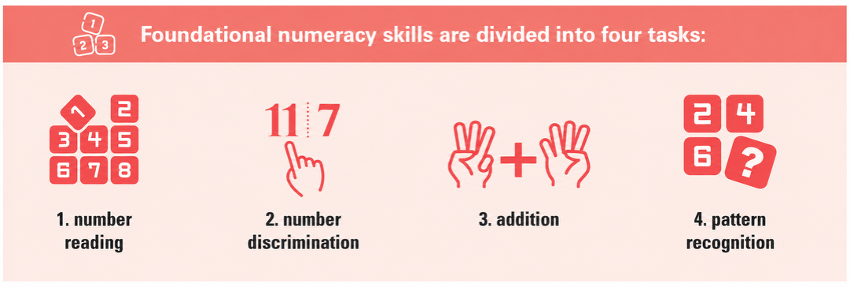
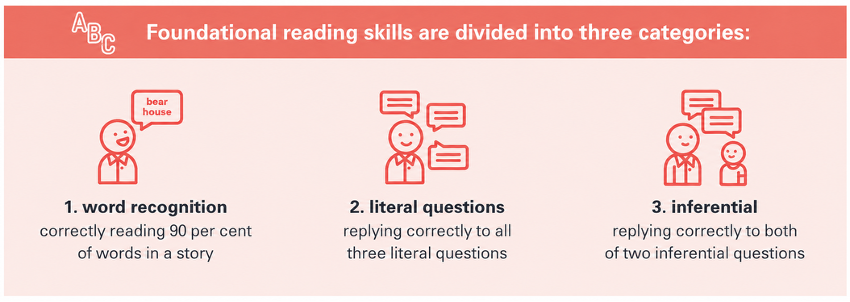
Explore foundational learning within countries
This interactive dashboard takes FLS estimates below the national level, showing foundational reading and numeracy outcomes across provinces, regions, districts and other subnational areas, where the data allow.
Users can select a country to explore its national and subnational results, or select a specific province, region or district to put local learning outcomes into the broader country context.
Dig deeper into learning inequalities
Beyond geography, results can be broken down by sex, urban or rural area, and household wealth. This makes it possible to explore not only where learning outcomes differ within a country, but also which groups of children may be facing the greatest learning challenges.