Hygiene
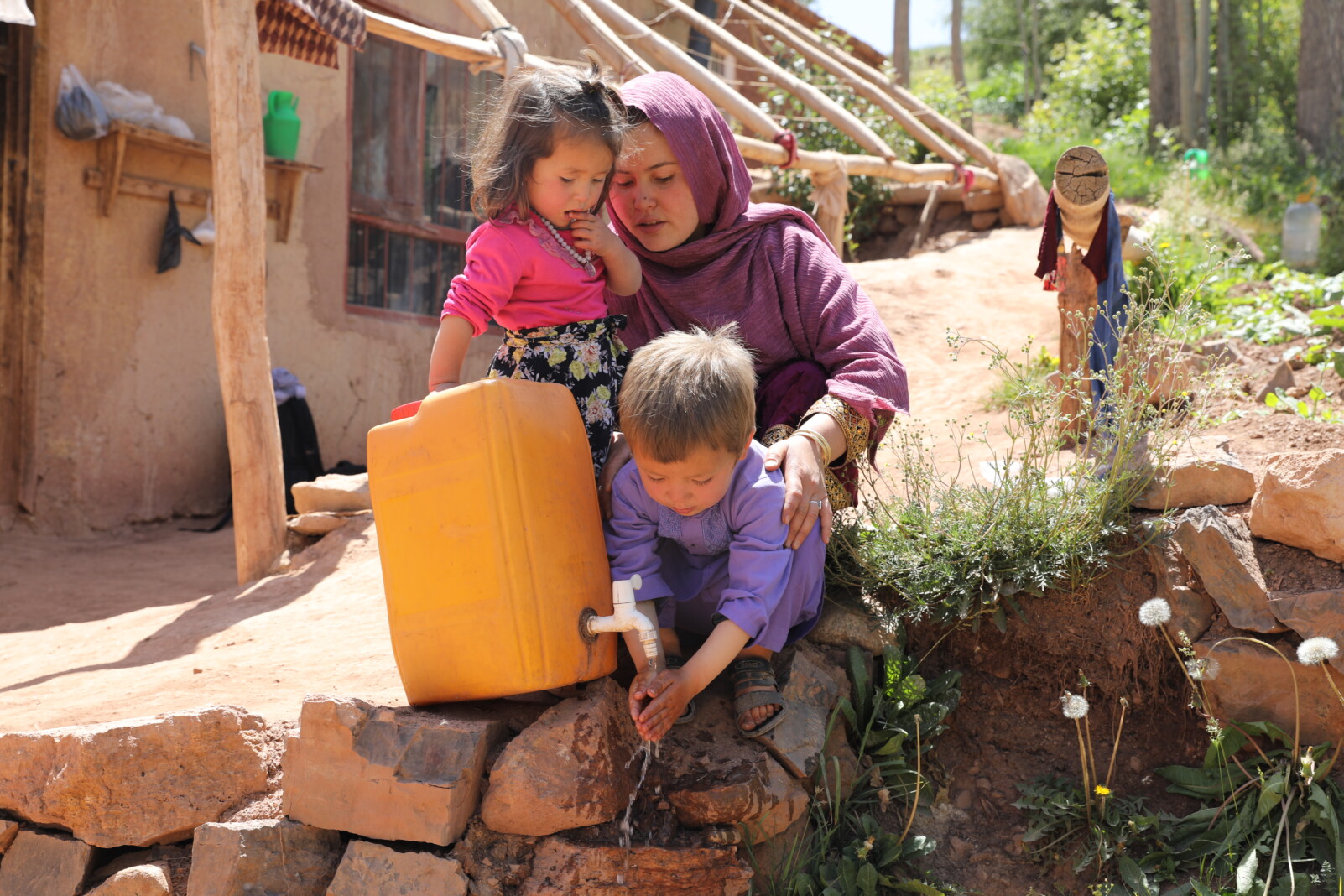
Hygiene has long-established links with public health. On Global Handwashing Day 2021, UNICEF and WHO launched ‘State of the World’s Hand Hygiene: a global call to action to make hand hygiene a priority in policy and practice’. The report argues that accelerating progress towards “adequate and equitable hygiene for all” as called for in SDG target 6.2 is a no-regrets investment that leaves the world better prepared to manage future disease outbreaks and pandemics.
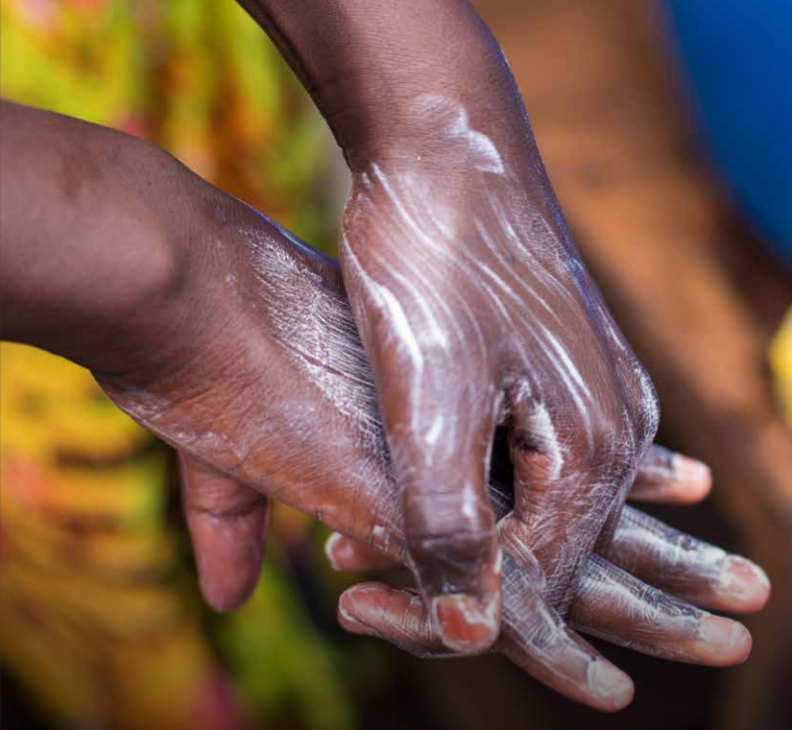
Of the range of hygiene behaviours considered important for health, hand washing with soap is a top priority in all settings. The simple act of cleaning hands can save lives and reduce illness by helping prevent the spread of infectious diseases. These diseases can be caused by pathogens (germs) transmitted through the air or via surfaces, food or human faeces. Because people frequently touch their face, food and surfaces, hands play a significant role in spreading disease. It is estimated that 1.4 million people including nearly 400,000 children under five die each year from preventable diseases attributable to inadequate WASH including diarrhoea, acute respiratory infections (ARIs), soil transmitted helminths and undernutrition. Unsafe hand hygiene alone is responsible for 394,000 deaths from diarrhoea and 356,000 deaths from ARIs [1]. As well as preventing a multitude of diseases, hand hygiene can help avoid significant financial costs resulting from sickness and death.
Between 2015 and 2024, 1.6 billion people gained access to basic hygiene services, raising global coverage from 66% to 80%. However, 1.7 billion people still lacked basic services in 2024, including 611 million people with no handwashing facilities at all.
Behind these global figures, four countries had already achieved universal access (>99%) to basic hygiene services in 2024 and another nine countries were on track to achieve universal access by 2030.
The data reveal stark inequalities: To achieve universal access to basic WASH services (SDG 1.4), lower-middle-income countries need to double current rates of progress and low-income countries would require an 18-fold increase in basic hygiene. In fragile contexts, coverage of safely managed drinking water is 37 % percentage points lower than in other countries.
It is widely recognized that inequalities in hygiene services impact women and men in different ways. Inadequate hand hygiene is likely to disproportionately impact women and girls who remain primarily responsible for childcare and for domestic chores in many countries around the world. Access to handwashing facilities is also important for maintaining personal hygiene. Women, girls, and other persons who menstruate, have specific additional hygiene needs related to menstrual health. However, the number of surveys with separate questionnaires for men and women enabling disaggregation of responses by sex and/or inclusion of gender-specific indicators on hygiene and menstrual health are still limited.
The concept of hygiene is broad and can encompass many different aspects relating to the body, the environment, and the community. Global monitoring to date has been focused on hand hygiene, through increasingly there is attention to menstrual health and hygiene, and in 2025 update the JMP introduced new indicators related to access to bathing facilities in the home. Still, the main focus of global hygiene monitoring is on hand hygiene, and the SDG service ladder for hygiene defines three levels of service ranging from ‘no facility’ to ‘basic’ which is the global indicator on hygiene for SDG target 6.2.
One SDG region (Central and Southern Asia) is on track to achieve universal access to basic hygiene services by 2030 but the overall rate of progress will need to double to meet the global SDG targets 1.4 and 6.2b.
Footnotes:
[1] Burden of disease attributable to unsafe drinking-water, sanitation and hygiene: 2019 update
Drinking water, sanitation and hygiene (WASH) estimates
Water, sanitation & hygiene (WASH) data
Build and download your own customisable dataset
Resources

Notes on the data
WHO/UNICEF Joint Monitoring Programme for Water Supply, Sanitation and Hygiene
Since 1990, WHO and UNICEF have tracked progress on global water and sanitation goals through the Joint Monitoring Programme for Water Supply, Sanitation and Hygiene (JMP). The JMP monitors trends in coverage; helps build national monitoring capacity in developing countries; develops and harmonises questionnaires, indicators and definitions to ensure comparability of data over time and among countries; and informs policymakers of the status of the water supply and sanitation sector through annual publications. The JMP draws guidance from a technical advisory group of leading experts in water supply, sanitation and hygiene, and from institutions involved in data collection and sector monitoring. Further information about the JMP and its methodology can be found at the JMP website.
Data sources
The JMP estimates for WASH in households are based on information collected through national data from a wide range of different data sources, censuses and surveys, as well as secondary sources in the absence of primary data. Data are harmonized to the extent possible based on internationally agreed indicator definitions. Further details on indicators, data sources and methods for WASH in households estimates can be found at the JMP website, including recommended core questions to support harmonized monitoring: Core questions and indicators for monitoring WASH in households in the SDGs.
Definitions of basic hygiene services in households
The JMP service ladder for hygiene defines three levels of service ranging from ‘no facility’ to ‘basic’ which is the global indicator on hygiene for SDG target 6.2. Households that have a handwashing facility with both soap and water available at home meet the SDG standard for a ‘basic’ hygiene service. If households have a handwashing facility but lack water and/or soap, it counts as a ‘limited’ service. If households do not have any facility for washing hands within their dwelling, yard or plot, it counts as ‘no facility’. The basic hygiene indicator is also used for monitoring progress towards SDG target 1.4 on universal access to basic services.