Progress on household drinking water, sanitation and hygiene 2000-2024: Special focus on inequalities

The 2030 Agenda for Sustainable Development Goal (SDG) 6 aims to ‘ensure availability and sustainable management of water and sanitation for all’ and includes targets for universal access to safe drinking water, sanitation and hygiene (WASH). The World Health Organization and United Nations Children’s Fund (WHO/UNICEF) Joint Monitoring Programme (JMP) for Water Supply, Sanitation and Hygiene produces internationally comparable estimates of progress on WASH and is responsible for global monitoring of the SDG targets related to WASH.
This report presents updated national, regional and global estimates for WASH in households for the period 2000 to 2024, and has a special focus on inequalities and WASH. Inequalities impede the realization of the SDG 6 targets on WASH.
1 in 4 people around the world lack safely managed drinking water
Between 2015 and 2024, 961million people gained access to safely managed drinking water services, increasing global coverage from 68% to 74%. Rural coverage rose from 50% to 60%, while urban coverage remained steady at 83%. Despite this progress, 2.1 billion people still lack safely managed drinking water, 1.4 billion rely on basic services, 287 million on limited services, 302 million use unimproved sources, and 106 million continue to drink surface water. The number of people using surface water has decreased by 61 million over the same period. The estimates for safely managed services are available for 160 countries across six out of eight SDG regions.
2 out of 5 people still lacked safely managed sanitation
Between 2015 and 2024, 1.2 billion people gained access to safely managed sanitation services, with global coverage increasing from 48% to 58%. In rural areas, coverage rose from 36% to 49%, and in urban areas, from 59% to 66%. The number of people practising open defecation has dropped by 429 million and in urban areas it has been eliminated (<1%). However, as of 2024, 3.4 billion people still lack safely managed sanitation services, 1.9 billion have only basic services, 560 million have limited services, 555 million use unimproved facilities, and 354 million continue to practise open defecation. The estimates of safely managed services are available for 145 countries across all eight SDG regions.
1 out of 5 people lacked basic hygiene services
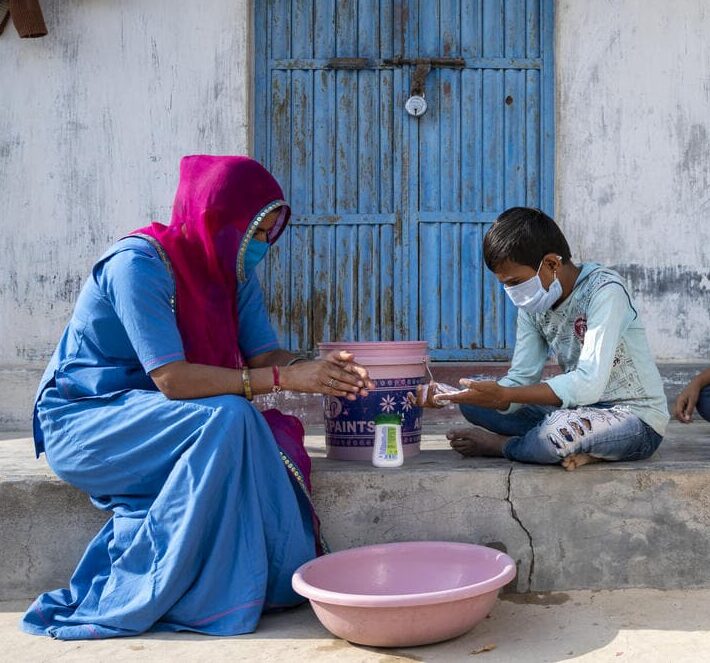
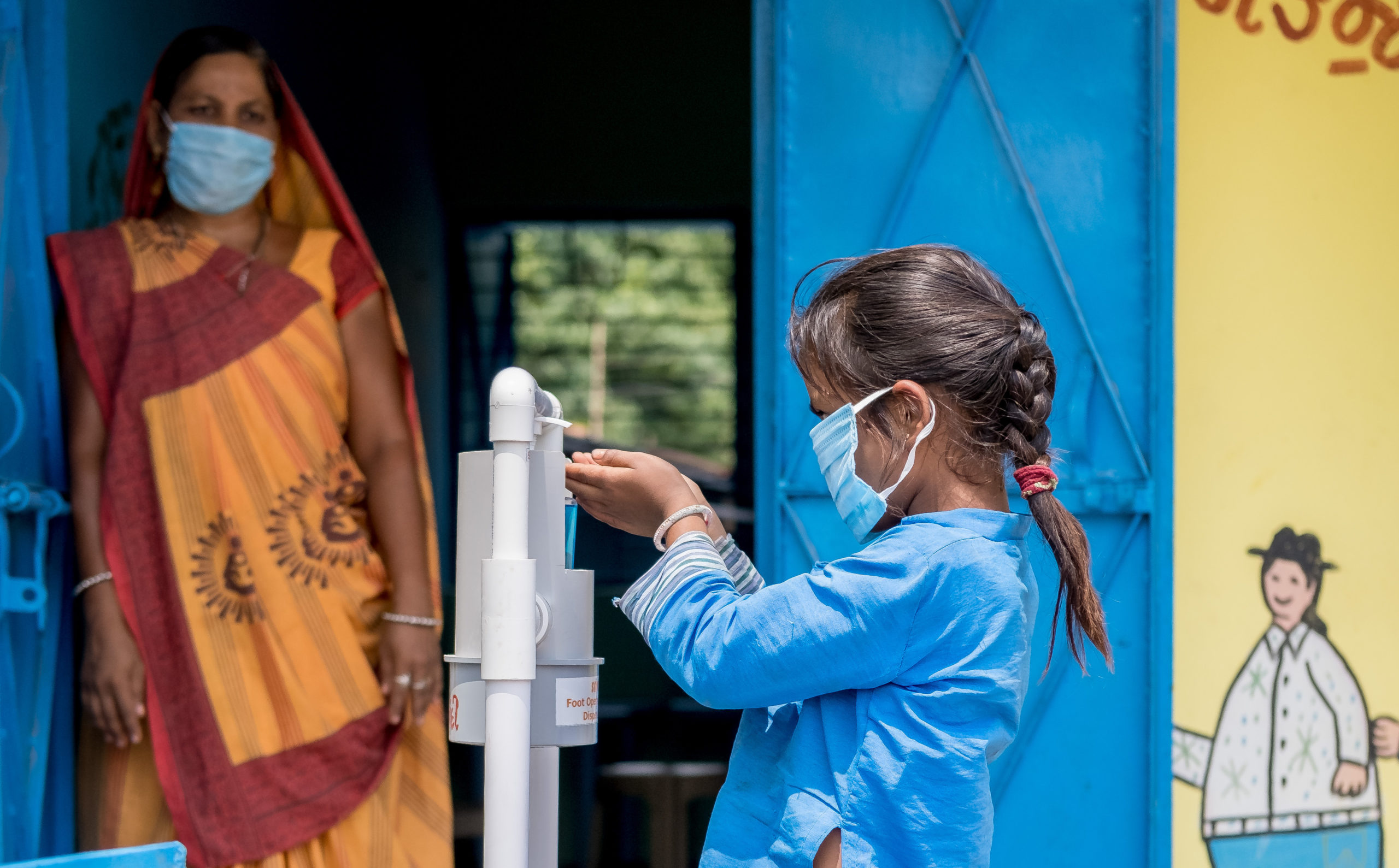
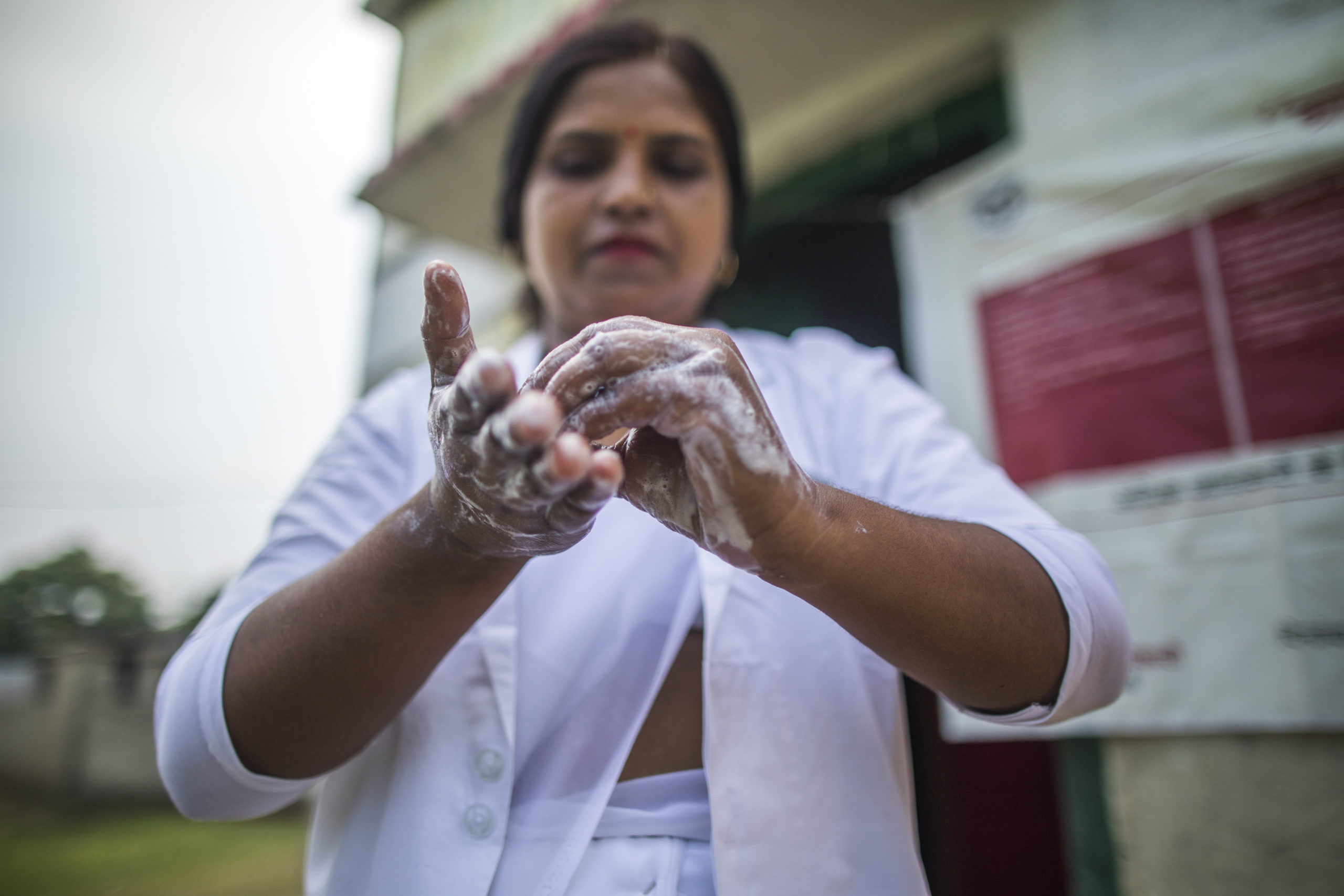
Between 2015 and 2024, 1.6 billion people gained access to basic hygiene services, with global coverage rising from 66% to 80%. In rural areas, coverage increased significantly from 52% to 71%, while in urban areas it remained largely stable at 86%. Despite this progress, 1.7 billion people still lacked basic hygiene services in 2024, 1 billion had limited services and 611 million had no service at all. The estimates of basic hygiene services are available for 91 countries across five out of eight SDG regions.
70 countries had data for at least one menstrual health indicator in 2024
In 2025, 70 countries, spanning seven SDG regions, had estimates of menstrual health indicators for adolescent girls and women age 15 to 49.
Adolescent girls and women in low-income countries and rural areas were more likely to use reusable menstrual materials, and those using reusable materials were less likely to have improved water on their premises. While most adolescent girls and women reported using menstrual materials, farfewer had enough to change as often as needed. Access to a private place to change menstrual materials at home sometimes varied widely between subnational regions in countries with disaggregated data. Adolescent girls aged 15 to 19 were less likely to participate in work, school, or social activities during menstruation compared with women age 20 to 49. Data on new indicators better capture challenges experienced by adolescent girls and women in all income groups that were not previously captured in global monitoring, specifically related to having enough materials, ability to reduce menstruation-related pain, and comfort seeking medical help.
Inequalities
Open defecation in low-income countries remains four times higher than the global average, and this is the only income group not on track to eliminate it by 2030. To achieve universal access to basic WASH services (SDG 1.4), lower-middle-income countries need to double current rates of progress and low-income countries would require a dramatic sevenfold increase in basic water and an 18-fold increase in basic sanitation and basic hygiene.
In fragile contexts, coverage of safely managed drinking water is 38 percentage points lower, safely managed sanitation is 33 percentage points lower, and basic hygiene is 37 percentage points lower than in other countries.
Subnational data show that WASH service levels often vary widely between rural and urban, subnational regions, richest and poorest, and ethnic groups. Individual-level data on time spent collecting water highlight inequalities between women and girls and men and boys.
Emerging data on other dimensions of inequality show WASH service levels also vary between communities with and without access to roads, between minority ethnic and indigenous groups and the general population, and between individuals with and without functional disabilities.
Approaching 2030…
The 2030 Agenda for Sustainable Development established ambitious global targets for universal access to basic services (1.4) and for universal access to safe drinking water (6.1), sanitation and hygiene (6.2). Data for the corresponding global WASH indicators are now available for more than 50% of the world’s population (Tier 1) and it is increasingly possible to benchmark and compare progress and rates of change between countries. But as we approach the last five years of the SDG period, the world is still not on track to achieve universal coverage of basic WASH services by 2030 and universal coverage of safely managed water and sanitation services is increasingly out of reach.
Achieving the 2030 targets for ending open defecation and universal access to basic WASH services will require acceleration, and universal coverage of safely managed services is increasingly out of reach.