Monitoring nutrition within the potential Global Goal on Adaptation indicators
A technical brief addressed to Parties participating in the Bonn workshop 03-04 October 2025
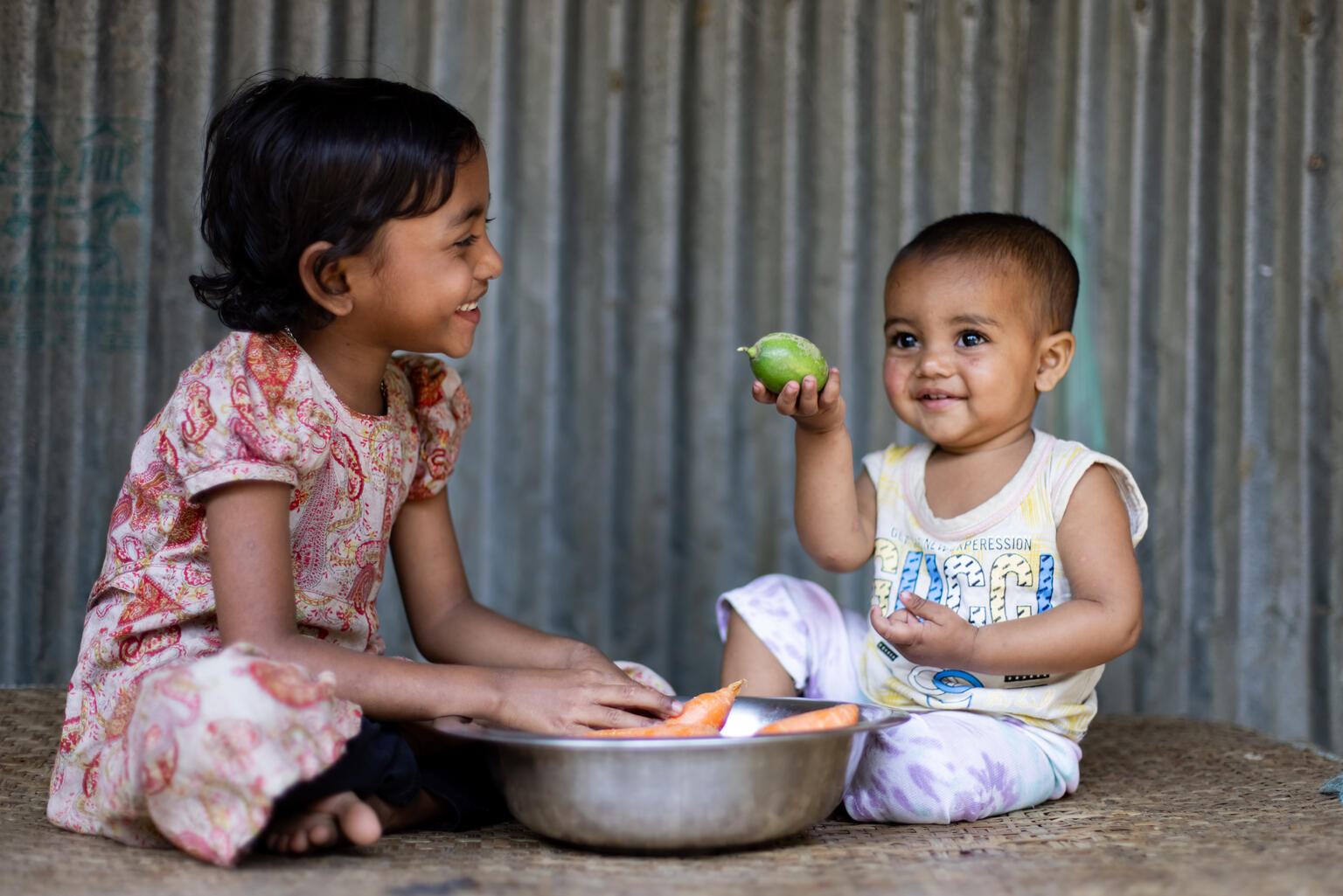
Climate change threatens to leave millions more children malnourished by 2050. As well as the human impact, this threatens to cost communities and nations profoundly. As the Parties move towards adoption and implementation of the potential list of 100 indicators, there is a critical opportunity to include nutrition in the methodology proposed. This will support the development and tracking of national climate change adaptation strategies that prevent climate-related surges in child malnutrition and protect the nutrition of all.
The evidence base for climate-nutrition linkages is clear: without action, climate change could result in an additional 28 million children experiencing acute malnutrition (wasting) and 40 million facing chronic malnutrition (stunting) by mid-century, as well as many more experiencing micronutrient deficiencies. While the current list of indicators includes no explicit indicators for nutrition or diet quality, in this brief, UNICEF and the Initiative on Climate Action and Nutrition (I-CAN) identify practical ways to include nutrition monitoring. The brief also highlights ways in which the agencies can support this process.