Anthropometry data quality research priorities
Research agenda to address gaps in data collection, analysis and reporting on anthropometric indicators in children under 5 years old
Purpose
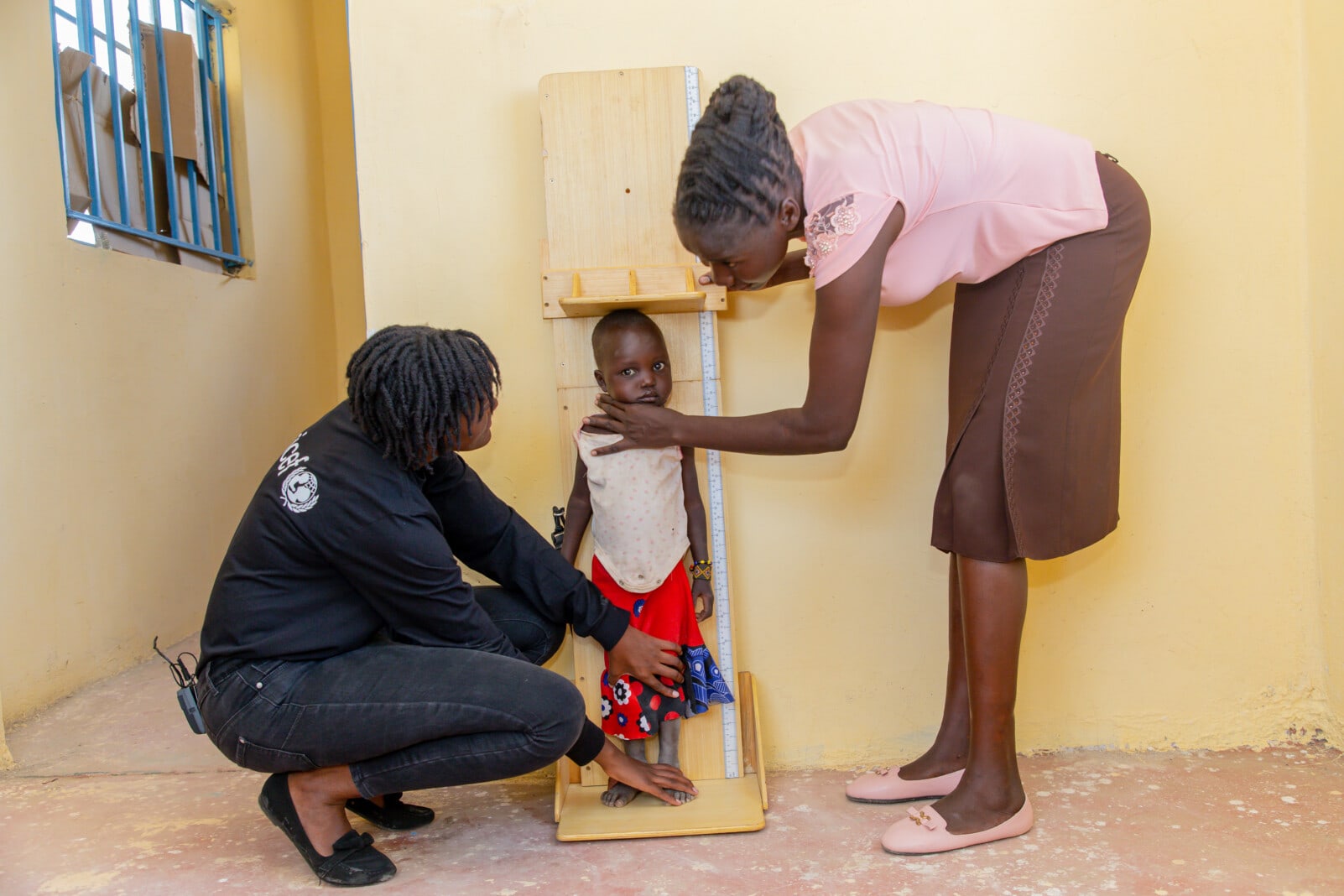
Accurate data on child malnutrition is a key input for countries and other stakeholders to develop and implement policies and programmes. In 2019, the United Nations Children’s Fund (UNICEF) and the World Health Organization (WHO) released the recommendations for data collection, analysis and reporting on anthropometric indicators in children under five years of age. The UNICEF-WHO Technical Expert Advisory Group on Nutrition Monitoring (TEAM) Working Group on Anthropometric Data Quality developed the recommendations using evidence-based information and practical experience. While developing recommendations the TEAM working group identified important research gaps related to child anthropometry, and subsequently produced an overview that lists research priorities for anthropometry data quality.
Briefs on priority research topics
The TEAM Working Group on Anthropometric Data Quality produced technical briefs to provide detailed descriptions of research priorities for anthropometry data quality. Each brief includes a problem statement, research questions and research approaches.
The following technical briefs on research priorities for anthropometry data quality are available:
- Technological innovations for anthropometric measurement instruments in population-based surveys
- Age collection methodology in population-based surveys to generate anthropometric Z-scores
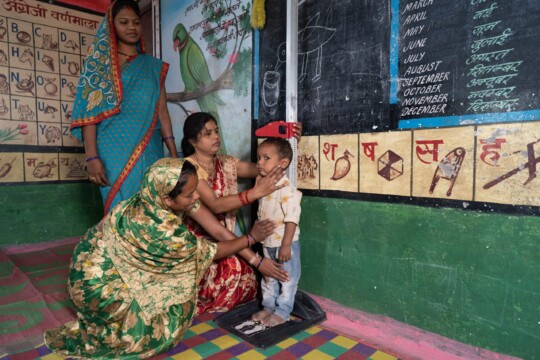
- Hair obstructions in height/length measurement and clothing and heavy jewellery obstructions in weight measurement in population-based surveys
- Outliers and biologically-implausible values in population-based anthropometric surveys
- Assessment and reporting of anthropometric data quality in population-based surveys
- Statistical analysis of anthropometric survey data to estimate or predict malnutrition prevalence and trends
The focus of the briefs is on anthropometric data relating to weight, length/height and age in children under 5 years old in population-based household surveys. In some instances, the briefs can be applicable to other anthropometric measurements, age groups or contexts.
Calling all interested parties
To move the agenda forward, we need researchers interested in taking up these research priorities to help assess and improve the quality of anthropometric data globally and nationally. And we need funders interested in investing in and supporting this work. The evidence generated will be used to update global guidance. Success will depend on strong partnerships, bringing together donors to secure sustained funding and researchers to collaboratively design and implement high-quality studies alongside data collectors, users and analysts and survey implementers. UNICEF and partners can serve as a coordinating body to avoid duplication and ensure that the research meets the intended objectives. As needed, TEAM advisors or a special TAG on Anthropometric Data Quality can also be convened to review work.
If interested in joining this effort or you have any questions or comments please contact the UNICEF-WHO TEAM Working Group on Anthropometric Data Quality at: [email protected] and [email protected].