Gender equality: Sexual and reproductive health
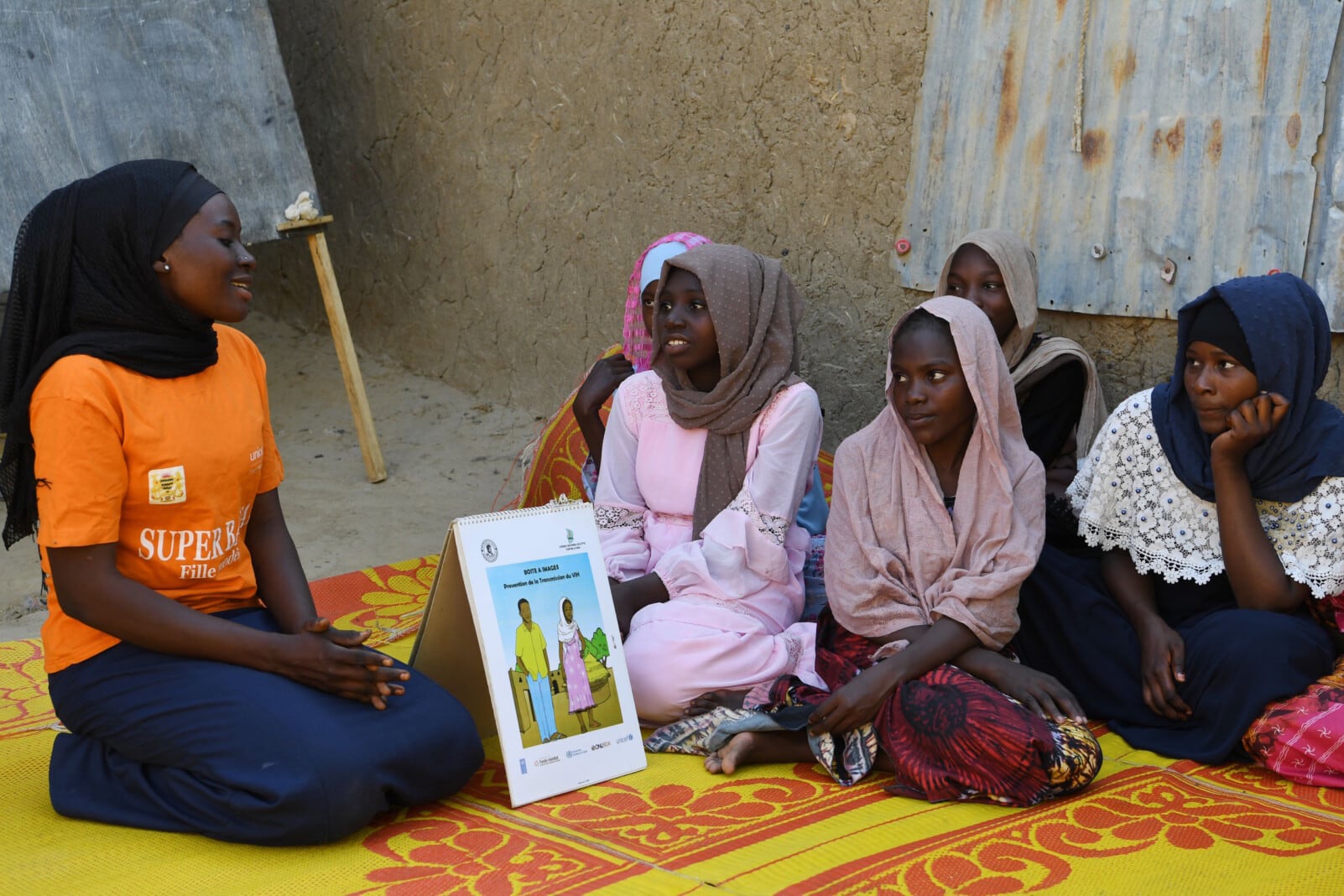
Pregnancy and childbirth, compounded by gender inequalities, expose women and adolescent girls to sexual and reproductive health risks. A lack of autonomy to make decisions about one’s own reproductive health care, limited control over financial resources, restricted mobility to access services and power differentials between health care providers and recipients are all factors which may preclude women and adolescent girls from being empowered to exercise their reproductive rights and make decisions about their bodies and their futures.
Adolescent girls are particularly at risk. Pregnancy during adolescence, especially early adolescence, can have a number of negative consequences for the health and well-being of girls, their newborns and communities as a whole. Complications from pregnancy and childbirth account for roughly 1 in every 23 deaths among adolescent girls aged 15–19 worldwide[1] while the likelihood that a 15-year-old girl will eventually die from a maternal cause was 1 in 272 in 2023.[2] Moreover, while globally, the adolescent birth rate has nearly halved over the past 30 years (from 73 to 38 births per 1,000 adolescent girls aged 15–19), nearly 12 million girls in this age range are expected to give birth in 2025.[3]
Adolescent girls’ access to family planning has increased by 25 percentage points over the past 30 years but many of their needs remain unmet.
Policies that encourage girls’ equal access to education, health-care services and socio-economic opportunities can contribute to lessening the prevalence of pregnancy during adolescence. Meeting the need of adolescent girls to prevent or delay childbearing also requires removing barriers to using contraception, including cost, stigma, lack of awareness, fear of side effects and limited decision-making autonomy.
Globally, the proportion of adolescent girls aged 15–19 whose needs for family planning were satisfied by modern methods rose from 38 to 63 per cent over the past 30 years. While there has been an increase in meeting girls’ needs across all regions, wide variation is observed. The Middle East and North Africa, South Asia and sub-Saharan Africa all had steady increases but still one in two or fewer adolescent girls have their demands for modern contraceptives met in these regions compared to three in four in Latin American and the Caribbean and more than 80 per cent in North America and Europe and Central Asia.
In most countries with data, few adolescent girls can make decisions about their own sexual and reproductive health
Women’s and adolescent girls’ autonomy to make decisions about their sexual and reproductive health is key to their empowerment and ability to chart their own life course. Common determinants of reproductive autonomy include knowledge of sexual and reproductive rights; communication between partners; gender norms which frame appropriate behaviour for women in heterosexual unions; access, affordability and acceptability of health services; and socioeconomic factors, such as household wealth, education levels and rural/urban location.[2] For married adolescent girls in particular, these barriers may be even more difficult to surmount. In 31 of 36 countries with available data, less than 50 per cent of married adolescent girls make informed decisions regarding sexual relations, contraceptive use and reproductive health. In Turkmenistan, Nigeria, Tajikistan, Mali and Senegal, 1 in 10 or fewer adolescent girls do.
Girls’ autonomy to make decisions about their sexual and reproductive health varies significantly by country
Access the data and read more about maternal health and early childbearing.
1. United Nations Inter-agency Group for Child Mortality Estimation (UN IGME), Levels & Trends in Child Mortality: Report 2024, Estimates developed by the United Nations Inter-agency Group for Child Mortality Estimation, United Nations Children’s Fund, New York, 2025.
2.Trends in maternal mortality estimates 2000 to 2023: estimates by WHO, UNICEF, UNFPA, World Bank Group and UNDESA/Population Division , Geneva, World Health Organization, 2025.
3.United Nations Children’s Fund, UN Women and Plan International, Girl Goals: What has changed for girls? Adolescent girls’ rights over 30 years, UNICEF, New York, 2025.
4.UNFPA and Hera (2019). Research on what determines women’s ability to decide on their SRHR and the relationship between this and other aspects of their lives. Volumes 1 and 2: Final report, October 2019.